
Bitcoin (BTC) is approaching a significant resistance zone as a developing bull flag pattern, improving whale accumulation, and expanding stablecoin liquidity strengthen the potential recovery toward $93,150. Trading near $82,319, BTC could gain approximately 13.2% following a confirmed breakout above $83,500.
In the article, Vestronyx’s experts outline the essential details of this topic.
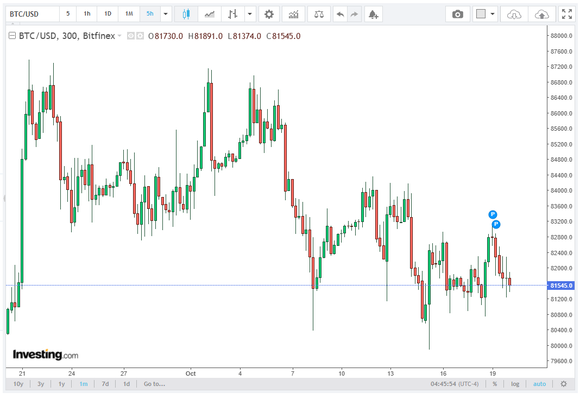
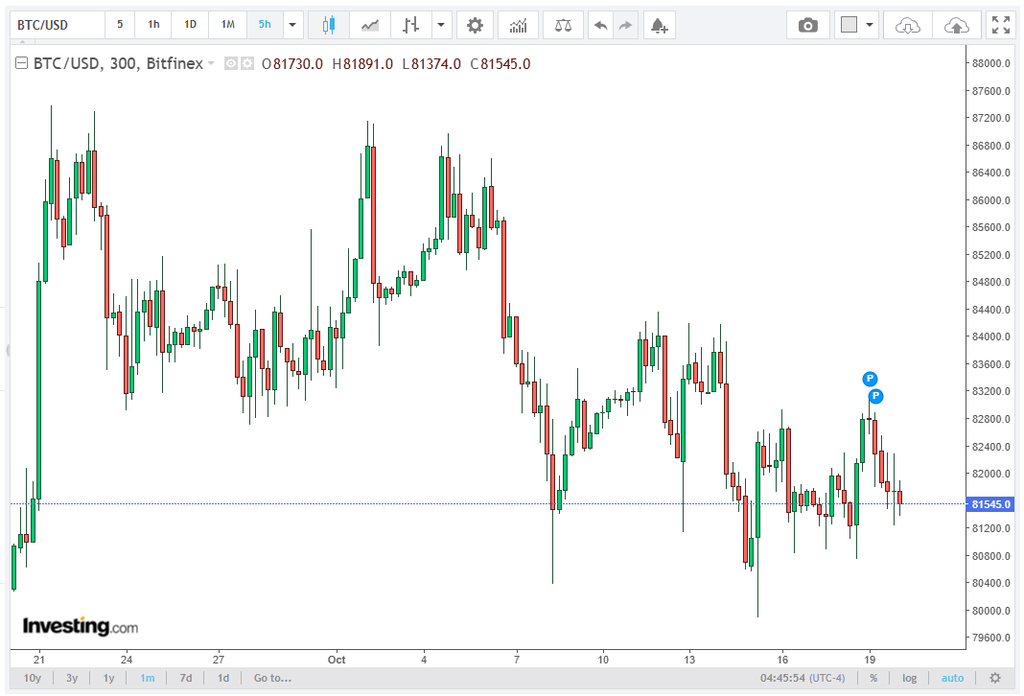
Bitcoin rebounded from its 50-day exponential moving average (EMA) near $80,650, where dynamic support aligned with the flag’s lower boundary. This confluence suggests buyers are defending a critical technical region. A daily close above $83,500, supported by rising trading volume and momentum, would strengthen the bullish continuation scenario.
BTC Bull Flag Structure Points Toward $93,150
The current bull flag formation consists of a downward-sloping consolidation channel characterized by lower highs and lower lows following an earlier upward move. This structure frequently represents a temporary correction within a broader uptrend, potentially preceding renewed bullish momentum.
Bitcoin’s immediate resistance zone lies between $83,000 and $83,500. A decisive breakout supported by expanding volume would suggest buyers are absorbing available supply and establishing control above the upper trendline.
The first upside objective is 87,500-87,500, corresponding to a previous market peak. From $82,319, reaching $87,000 represents approximately 5.7% upside, while $87,500 implies a gain of approximately 6.3%.
A sustained move above $87,500 could expose the next target at $93,150, representing approximately 13.2% upside from $82,319 and a further 6.5% advance from $87,500. This projection depends on the pattern’s measured move, continued momentum, and successful resistance clearance.
On the downside, 79,500-80,000 represents the primary invalidation zone. A breakdown below $79,500 would weaken the bullish structure and expose the 100-day EMA near $77,079, approximately 6.4% below $82,319. These levels provide important reference points for assessing risk and potential reward.
Bitcoin Whale Accumulation Diverges From Retail Inflows
According to CryptoQuant, Binance’s 30-day retail BTC inflow total increased 54%, rising from $7 billion to $10.78 billion. This expansion suggests that smaller investors are transferring substantially more Bitcoin to exchanges.
Meanwhile, whale inflows increased just 9.5%, from $4.2 billion to $4.6 billion. The disparity indicates that retail exchange activity is growing faster than whale activity, potentially reflecting greater selling pressure among smaller holders.
Exchange deposits can precede selling, increasing the potential supply available to the market. Comparatively slower growth in whale deposits suggests large holders may be demonstrating less urgency to distribute their holdings, potentially helping the market absorb selling pressure.
Still, exchange inflows do not equal executed sell orders. Deposits can support collateral requirements, arbitrage, custody transfers, and other trading activities. The divergence therefore represents a potential supply-pressure indicator, not definitive proof of imminent selling.
Large-Wallet Accumulation Balance Improves by 67,830 BTC
The rolling 60-day accumulation/distribution balance for wallets holding 1,000–10,000 BTC improved from -62,600 BTC to +5,230 BTC, a positive change of 67,830 BTC.
The transition from negative to positive territory indicates an improved balance between accumulation and distribution among this large-holder cohort. If sustained, this shift could support Bitcoin prices by reducing potential distribution pressure during a breakout attempt.
For wallets holding 100–1,000 BTC, the corresponding balance declined from +115,450 BTC to +40,450 BTC, a decrease of 75,000 BTC. Although accumulation conditions weakened, the balance remained positive.
Binance USDT Reserves Increase 123%
Stablecoin liquidity provides another potential catalyst. Binance’s Tron-based USDT reserves increased 123%, rising from $790 million to $1.76 billion.
This represents an additional $970 million in USDT reserves. Greater stablecoin availability could allow traders to deploy more capital into Bitcoin and other digital assets, potentially supporting demand during a bullish breakout.
The relationship between USDT reserves and BTC demand is not automatic. Stablecoins may remain idle, support derivatives positions, or finance purchases of other cryptocurrencies.
Stronger spot-market buying, increasing BTC trading volume, and sustained price acceptance above resistance would provide stronger evidence that liquidity is translating into demand.
Conclusion: Bitcoin’s Next Move Depends on Breakout Confirmation
Bitcoin’s bullish scenario centers on a breakout above $83,500, followed by potential advances toward 87,000-87,500 and $93,150. Improving whale accumulation, a 67,830 BTC positive shift in the largest wallet cohort’s rolling balance, and a 123% increase in Binance’s Tron-based USDT reserves strengthen the recovery thesis.
The higher target represents approximately 13.2% upside from $82,319. A daily close above resistance with stronger volume would support continuation, while a breakdown below $79,500 could expose the $77,079 100-day EMA.
Ultimately, confirmed price action, sustained demand, whale positioning, and follow-through buying will determine whether Bitcoin reaches its projected target. The $93,150 objective remains conditional, making resistance confirmation and downside risk management essential to evaluating this bullish setup.