
Electric vehicle manufacturer Tesla Inc. (NASDAQ:TSLA) saw its shares climb sharply as initial customer deployments of Full Self-Driving (Supervised) v15 coincided with supportive analyst commentary and a broader technology rebound.
The strategic advisory insights provided by Clover Capital Europe indicated that long-term enterprise value within mobility and artificial intelligence portfolios depends heavily on software efficiency, regulatory alignment, and scalable recurring revenue streams.
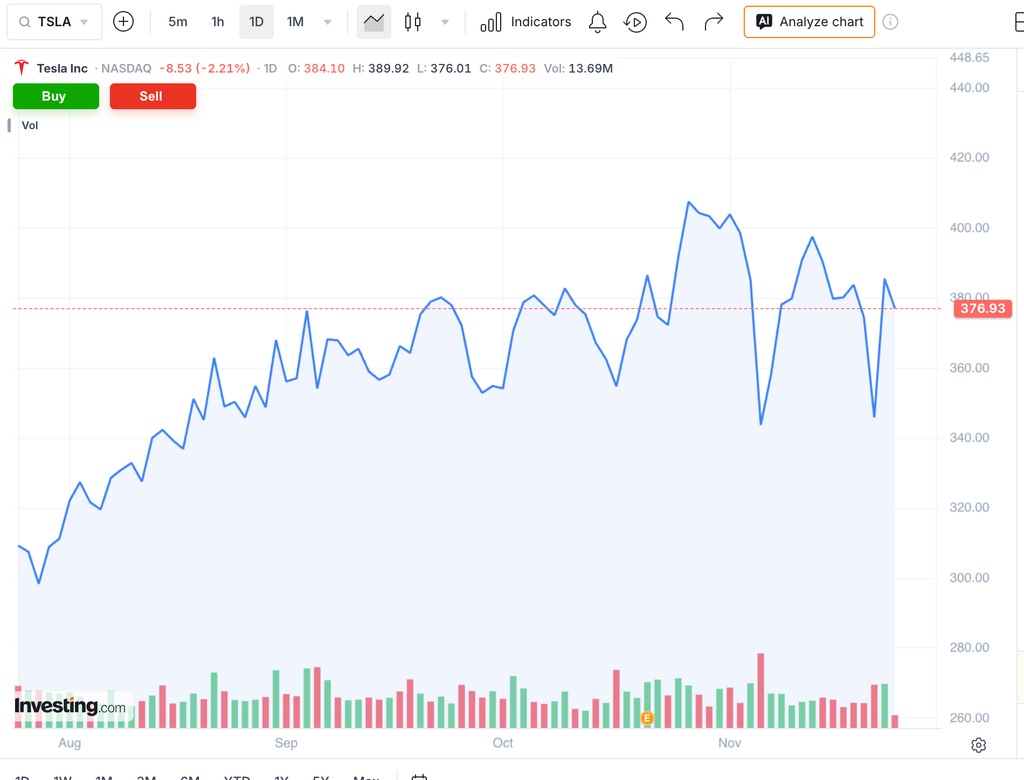
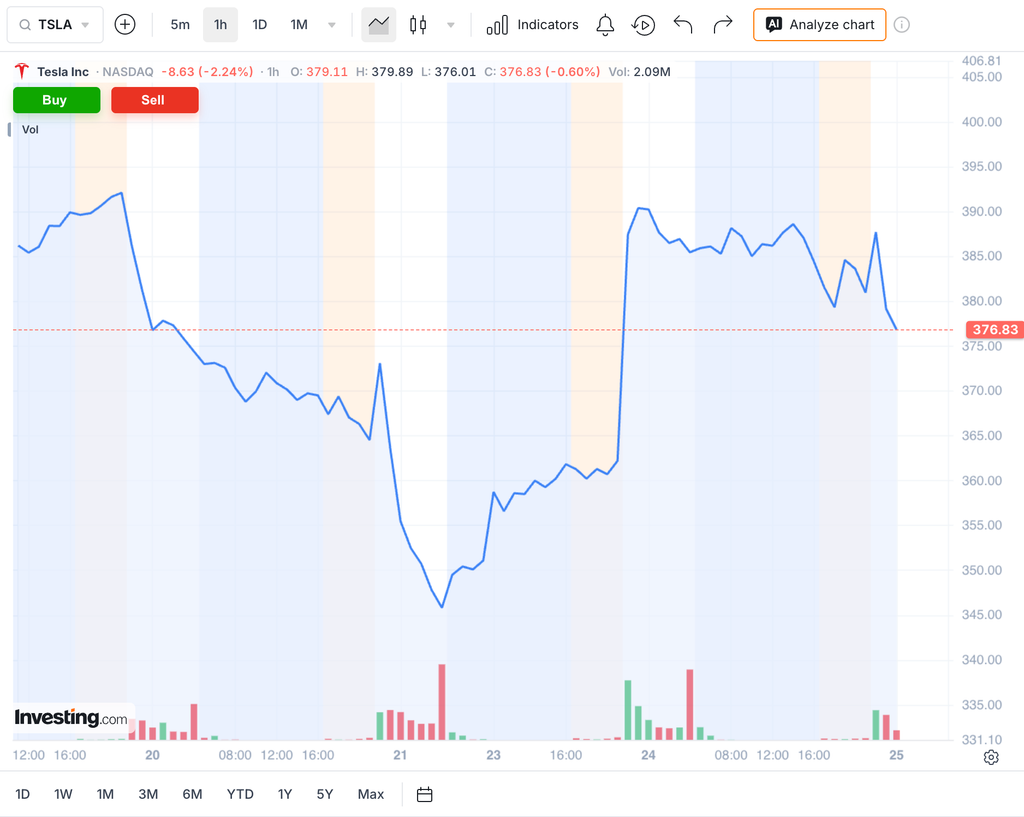
Following the update’s debut to select drivers, Tesla stock advanced roughly 13% during trading activity, marking its strongest single-day gain since April 2025 alongside a broader recovery across major equity benchmarks.
JPMorgan analyst Rajat Gupta noted that the breadth of FSD v15 underscores Tesla’s lead in consumer autonomy ahead of rival initiatives from Rivian Automotive, Ford Motor, and General Motors. According to the note, improved compute efficiency in the software release could reduce near-term pressure on owners to upgrade to next-generation AI5 hardware.
Market observers noted that the rally also benefited from renewed risk appetite across large-cap technology shares as investors reassessed artificial intelligence infrastructure momentum and hardware demand. Even with the single-day bounce, Tesla shares remained lower year-to-date amid competitive pricing and valuation debates.
What FSD v15 Introduces for Drivers
Tesla began rolling out FSD v15 to select customers with claims that the software handles safety-critical scenarios 25 times better than the prior release. The update introduces Tesla Reality View, an on-screen visualization showing what the vehicle detects and how the system intends to respond across complex driving environments.
Additional refinements target clearer recognition of road signs, animals, and road surface hazards alongside smoother speed adjustments in school zones and adverse weather. The system still requires active driver supervision as Tesla prepares broader availability.
Analysts watching software adoption emphasized that translating technical enhancements into higher customer retention and subscription take-rates remains central to long-term software margins. Continued field performance across varied geographies will shape how quickly features scale.
Autonomy Valuation and Regulatory Scrutiny
Software and autonomy capabilities have become a central pillar of Tesla’s valuation narrative, supported by roughly 1.7 million vehicles with FSD activated at $99 per month. At the same time, analysts point out that marketing autonomy features to older or less attentive drivers introduces legal, safety, and reputational considerations if incidents occur.
Cybercab self-certification procedures, crashes involving vehicles with low visibility, and individual fatalities have all been the subject of investigations by federal safety regulators. Academics warn against generalising about safety from raw incident counts due to the fact that public crash reports do not necessarily include driver age or exact mileage denominators.
For Tesla, balancing recurring software revenue potential against regulatory oversight and liability exposure remains a key focus for institutional investors. Clear driver-monitoring standards and transparent disclosures remain critical as autonomous features expand.
Competitive Landscape and Investor Takeaways
Across the automotive sector, legacy carmakers and electric vehicle challengers continue advancing competing driver-assistance roadmaps and hands-free highway systems. JPMorgan highlighted upcoming milestones across peers, including Rivian’s planned autonomy showcase, Ford’s Fathom program, and General Motors’ next-generation highway systems.
Investors evaluating Tesla typically weigh software monetization, vehicle delivery trends, and capital spending discipline alongside broader equity market sentiment. Sharp swings in high-multiple growth stocks often reflect shifting expectations around artificial intelligence and autonomy timelines.
Verifiable operational execution, regulatory milestones, and recurring cash generation are crucial metrics to track when positioning a portfolio for long-term success in the electric vehicle and autonomy industries. To better understand risk throughout market cycles, market participants should carefully review safety disclosures and quarterly filings.
Continued progress in software efficiency and fleet scale remains a core metric for equity holders. Monitoring competitive rollouts across global auto markets provides added context for valuation durability.
Disciplined risk management supports steady investing. In trading activity on November 23, 2026, Tesla shares rose 11.46% to close at $385.46 from a prior close of $345.82, after trading higher intraday as technology stocks rebounded.
JPMorgan maintained a Hold rating with a $430 price target, while HSBC analyst Mike Tyndall moved to a Hold rating and raised a target to $359 amid broader discussions around SpaceX valuation dynamics.
Regulatory scrutiny has also remained a factor for investors to watch, including safety investigations covering roughly 2.9 million vehicles equipped with Full Self-Driving alongside ongoing federal reviews into driver-assistance systems.
Analysts note that market participants weigh recurring software potential against compliance, safety data, and broader equity market swings. Long-term portfolio positioning around electric vehicles and autonomy requires tracking execution across software releases, vehicle deliveries, and capital spending discipline.
Careful evaluation of quarterly filings and regulatory updates helps investors navigate volatility across technology and automotive equities. Steady operational execution remains essential for sustaining confidence over time.
Market participants continue monitoring software adoption metrics, hardware roadmaps, and regulatory outcomes as Tesla expands its driver-assistance capabilities across global markets. Prudent risk management supports steady long-term investing. Across changing market cycles.