
The EUR/AUD exchange rate remains under bearish pressure, with the euro failing to sustain its latest recovery against the Australian dollar. The pair initially advanced before reversing lower, indicating that selling interest continues to dominate near-term price action.
The failure to hold intraday gains suggests that buyers lack the momentum required to establish a sustainable bullish reversal. Discover a thorough analysis of this topic from Lucovox’s experts.
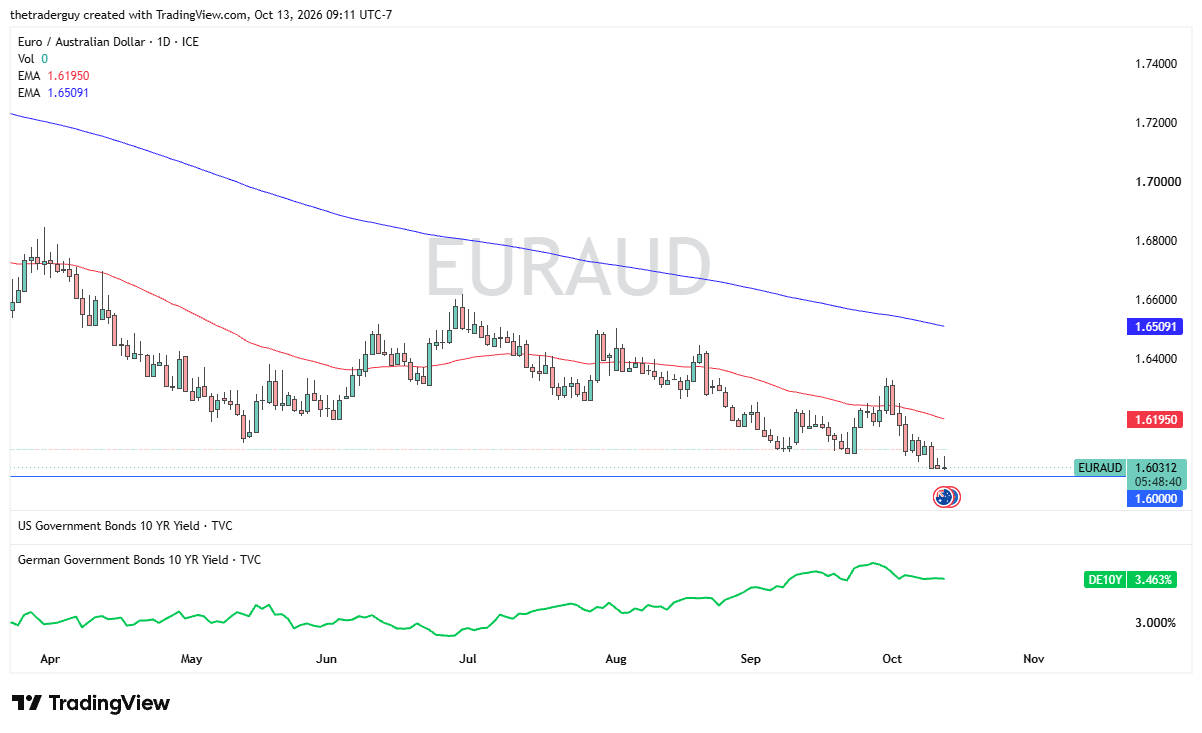
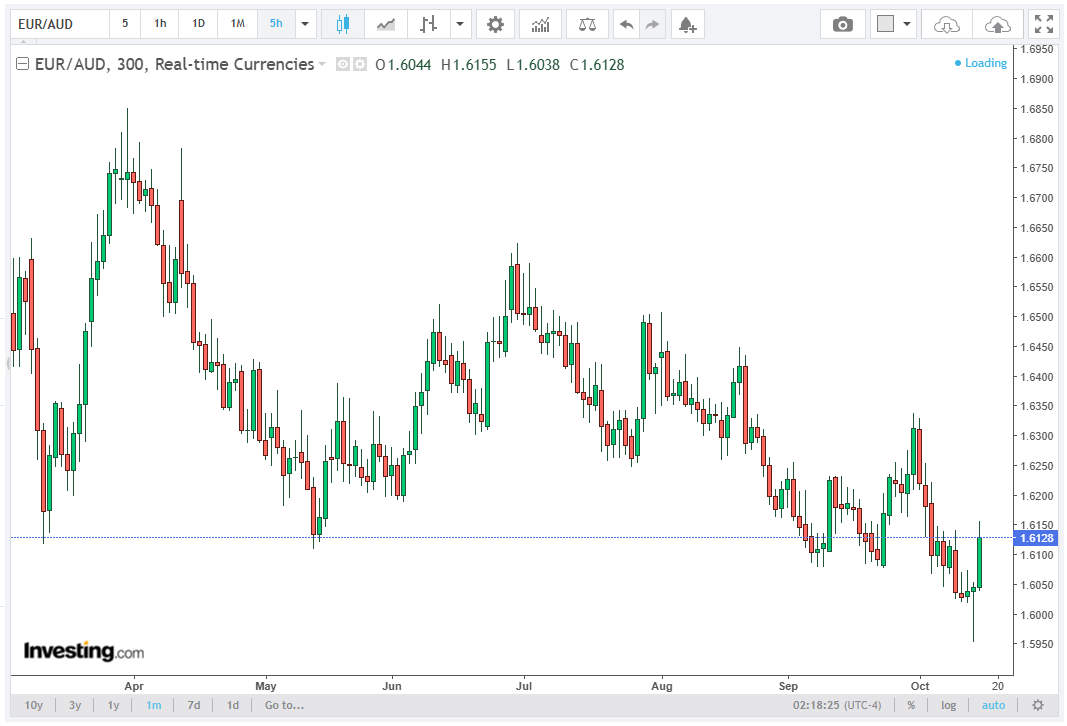
From a technical perspective, the market continues to favor lower highs, selling into rebounds, and renewed tests of support. The 1.6000 level represents the next major downside threshold, combining psychological significance with its historical importance over the past several years.
A confirmed breakdown below this level could accelerate bearish momentum and expose the pair to a more pronounced corrective move.
Unless EUR/AUD reclaims its immediate resistance levels and establishes a sustained recovery above key technical barriers, the bearish outlook is likely to remain intact, with further downside pressure potentially driving the pair toward the 1.6000 support zone and lower levels.
French Fiscal Risks Undermine Euro Demand
The euro’s fundamental outlook remains vulnerable to persistent concerns about French public debt, budget deficits, and fiscal discipline. France’s fiscal position has become an important source of uncertainty for investors assessing the stability of the broader eurozone.
Concerns about government borrowing requirements and the credibility of fiscal consolidation measures can weaken confidence in French sovereign debt and, by extension, the single currency.
French government bond yields and the France-Germany 10-year sovereign yield spread are important indicators to monitor. A widening spread generally signals that investors demand additional compensation for holding French debt relative to German Bunds.
If this spread expands because of deteriorating fiscal confidence, it may reinforce negative sentiment toward the euro.
The impact on EUR/AUD is particularly relevant because interest rate differentials alone provide limited directional conviction. When German and Australian yields offer no decisive advantage to either currency, fiscal risk premiums and relative economic resilience can become more influential drivers.
Persistent French budget uncertainty could continue to limit euro recoveries and reinforce the pair’s medium-term bearish structure.
50-Day EMA Defines the Immediate Resistance Zone
The 50-day exponential moving average (EMA) remains a critical technical reference for evaluating the pair’s intermediate trend. Because the EMA assigns greater weight to recent prices, it can provide a responsive indication of directional momentum.
EUR/AUD’s repeated failure to sustain advances around this moving average suggests that dynamic resistance remains intact. As long as price action remains below the 50-day EMA, rebounds are more likely to represent corrective advances within a broader bearish trend than the beginning of a sustained recovery.
A stronger bullish signal would require a decisive daily close above the 50-day EMA, followed by successful retests of the reclaimed level as support. Without that confirmation, attempts to recover remain technically vulnerable.
The 50-day EMA, recent swing highs, and short-term momentum indicators should therefore be monitored together. A renewed rejection near resistance, particularly alongside deteriorating momentum, would strengthen the case for selling rallies rather than buying dips.
1.6000 Support: Breakdown Risk and Downside Momentum
The 1.6000 psychological threshold is the defining level in the current EUR/AUD forecast. Its historical significance increases the likelihood of concentrated trading activity around this region, including limit orders, stop-loss placements, and momentum-driven positions.
A brief move beneath 1.6000 would not necessarily confirm a sustained breakdown. Stronger evidence would come from a daily close below support, followed by continued trading beneath the level or an unsuccessful retest from below.
If confirmed, the breakdown could trigger a technical acceleration lower as previously positioned buyers exit and trend-following traders increase bearish exposure. The next downside objectives should be identified using historical support zones and measured-move projections rather than assuming a predetermined price target without confirmation.
If buyers defend 1.6000 and generate a sustained rebound, the pair could enter a consolidation phase. However, holding support alone would not invalidate the bearish outlook while the 50-day EMA continues to cap recoveries.
Conclusion: Bearish Bias Persists Below Key Resistance
The EUR/AUD forecast remains negative, with French fiscal uncertainty, a potentially supportive Australian monetary policy outlook, and persistent technical selling pressure weighing on the pair. The 50-day EMA defines the immediate resistance area, while 1.6000 remains the critical breakdown threshold.
A confirmed daily close below support could accelerate downside momentum and open the way toward lower historical demand zones. Until the pair reclaims resistance and demonstrates sustained bullish follow-through, selling into rallies remains the more technically consistent strategy.
Nevertheless, yield differentials, commodity prices, and developments in French fiscal policy remain essential variables that could alter the outlook or invalidate the bearish setup.