

For nearly two decades, the autumn release cycle has served as an institutional anchor for consumer technology investors worldwide, with Apple Inc. (NASDAQ: AAPL) maintaining a disciplined schedule. However, emerging supply chain indicators suggest that this long-standing tradition could experience a significant structural shift.
Recent reports from overseas manufacturing partners indicate that enterprise leadership is contemplating a staggered rollout, prioritizing high-margin devices while deferring standard flagship releases.
Against the backdrop of a record $54.25 billion quarterly iPhone revenue milestone and total company revenue surging 16% year-over-year to $109.4 billion, market observers are closely scrutinizing this potential strategic pivot.
Evaluating the broader implications of component allocation requires examining multi-jurisdictional supply chain dynamics and component pricing trends. An equity strategist at Exopike observed that long-term enterprise value relies heavily on protecting gross profit margins during periods of acute component scarcity.
While equity valuations continue to reflect robust consumer demand, shifting product launch windows introduce new variables into near-term financial projections and unit shipment forecasts. This is the case despite the fact that consumer demand continues to rise.
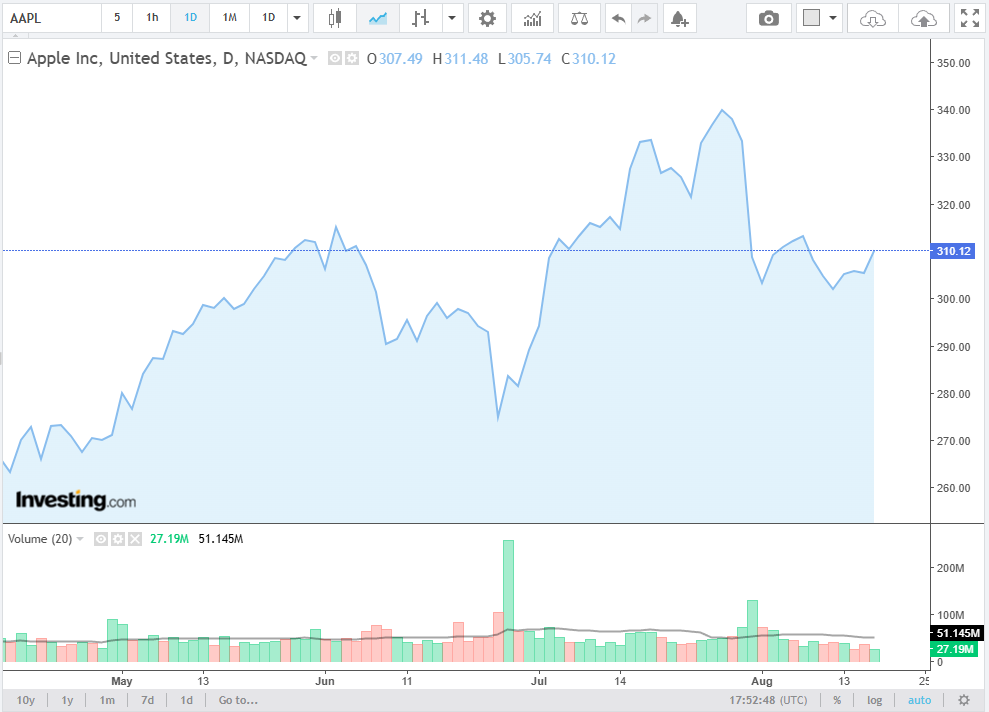
Deconstructing The Mechanics Of Component Scarcity
The primary catalyst driving potential schedule modifications involves escalating shortages across advanced memory components and specialized semiconductors. The explosive expansion of artificial intelligence data centers has intensified competition for limited fabrication capacity, forcing electronics manufacturers to make difficult allocation choices.
Instead of reducing margins across lower-tier hardware, suppliers suggest that businesses will prioritize higher-priced product tiers that have superior profitability profiles. This is in contrast to increasing margins across lower-tier hardware.
For a massive hardware ecosystem generating tens of billions of dollars per quarter, optimizing component distribution represents an effective mechanism for preserving profitability. Executive leadership has previously acknowledged that rising memory and storage costs necessitated targeted price adjustments across select product lines.
Through the allocation of scarce silicon to premium configurations, the corporation is able to maximize revenue per unit sold while simultaneously navigating supply constraints that are prevalent across the industry.
Analyzing Record Financial Metrics And Profit Margins
The timing of these rumored adjustments coincides with exceptional financial health across core operational divisions. During the fiscal third quarter, iPhone sales achieved a June-quarter record of $54.25 billion, representing an impressive 21.7% annual increase.
Furthermore, overall company gross margin expanded to 50.1%, though management noted that roughly two percentage points of that expansion derived from one-time tariff refunds.
Despite these robust figures, leadership offered conservative guidance for the subsequent September quarter, predicting revenue growth between 9% and 11%, which trailed consensus Wall Street estimates.
Executive commentary highlighted that severe supply constraints would limit immediate shipment volumes. This cautious outlook underscores the delicate balance between robust consumer demand and constrained component availability across global manufacturing nodes.
Evaluating The Rumored Foldable And Upscale Product Mix
A staggered debut strategy gains additional credibility when examining rumors surrounding upcoming hardware form factors. Industry supply chain analysts have tracked development timelines for an anticipated foldable device projected to debut in late 2026, with estimated retail price points exceeding $2,000.
With the release of a high-end foldable alongside professional-tier models and the postponement of base hardware variants, the autumn lineup would be skewed decisively toward buyers with a higher income.
Such an intentional product tilt could significantly elevate average selling prices across the ecosystem. However, this approach carries distinct commercial risks. If mainstream consumers prove unwilling to absorb premium pricing tiers, deferring entry-level options might temporarily suppress unit volume growth as buyers await more affordable alternatives.
Global Smartphone Market Trends And Supply Pressures
Broader macroeconomic conditions across the mobile device industry further contextualize these strategic considerations. Global smartphone shipments plummeted 11% during the second quarter, marking the lowest performance for that period since 2013, as component inflation and memory constraints drove retail prices higher.
It is statistically unlikely that major enterprise brands will be completely immune to macro semiconductor inflation, despite the fact that scale provides these brands with significant bargaining leverage.
To diversify procurement channels and secure adequate inventory, reports indicate that the corporation has actively tested memory chips from alternative regional suppliers. Maintaining production velocity across massive product lines requires proactive supply chain management to prevent bottlenecks from impacting key revenue-generating release windows.
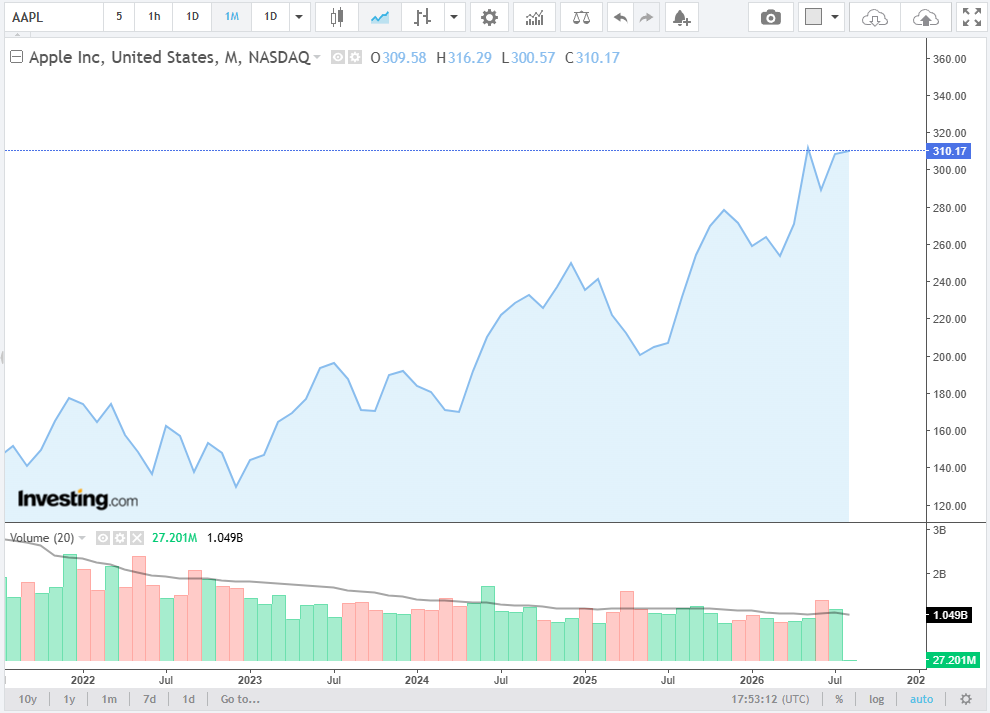
Assessing Future Strategic Horizons And Investor Takeaways
The fundamental question facing equity research analysts is whether a delayed mainstream launch represents a temporary supply-chain accommodation or a permanent evolution in product release philosophy. By decoupling premium and mainstream debut windows, leadership could secure greater manufacturing flexibility and protect high-end margins.
With a trailing gross margin above 50% and quarterly revenues exceeding $109 billion, the enterprise possesses immense financial resilience. Successfully executing this nuanced operational transition will determine whether consumers adapt their purchasing habits to a restructured calendar.